Common Artificial Turf Problems In Residential Yards
To fix common artificial turf problems in residential yards, local contractors can assess and repair issues like tears, uneven surfaces, or drainage problems to restore a smooth, safe lawn.
Homeowners with artificial turf in their residential yards often encounter a variety of common problems that can affect both appearance and functionality. Issues such as uneven surfaces, matting, or weed intrusion can diminish the visual appeal and safety of the space. Recognizing these challenges early can help property owners maintain a lush, durable yard that continues to look great year-round. Exploring solutions for these common artificial turf problems is a practical step for those seeking to preserve their outdoor spaces, and local contractors who specialize in artificial turf repair are well-equipped to address these concerns effectively.
Understanding the typical issues that arise with artificial turf can also highlight the importance of professional repair services for property owners. Whether it’s fixing areas of wear and tear or restoring the turf’s original look, experienced service providers in the area can help keep yards in top condition. Keeping an eye out for these common problems and knowing where to turn for expert assistance ensures that residential turf remains safe, attractive, and functional. Keep reading to learn more about how local service providers can assist with maintaining or restoring artificial turf in residential settings.
- Artificial turf seam repair - homeowners noticing seams coming apart or lifting may seek local contractors to reattach or reinforce the seams for a smooth appearance.
- Artificial turf patching - when patches of turf become damaged or worn, local pros can replace or repair affected areas to restore uniformity.
- Artificial turf infill replacement - uneven or sparse infill levels often prompt residents to have local service providers restore proper infill distribution for optimal performance.
- Artificial turf drainage fixes - areas with poor drainage or pooling issues may require local professionals to evaluate and improve the turf’s drainage system.
- Artificial turf surface leveling - uneven surfaces caused by settling or wear can be addressed by local contractors to ensure a safe, level yard surface.
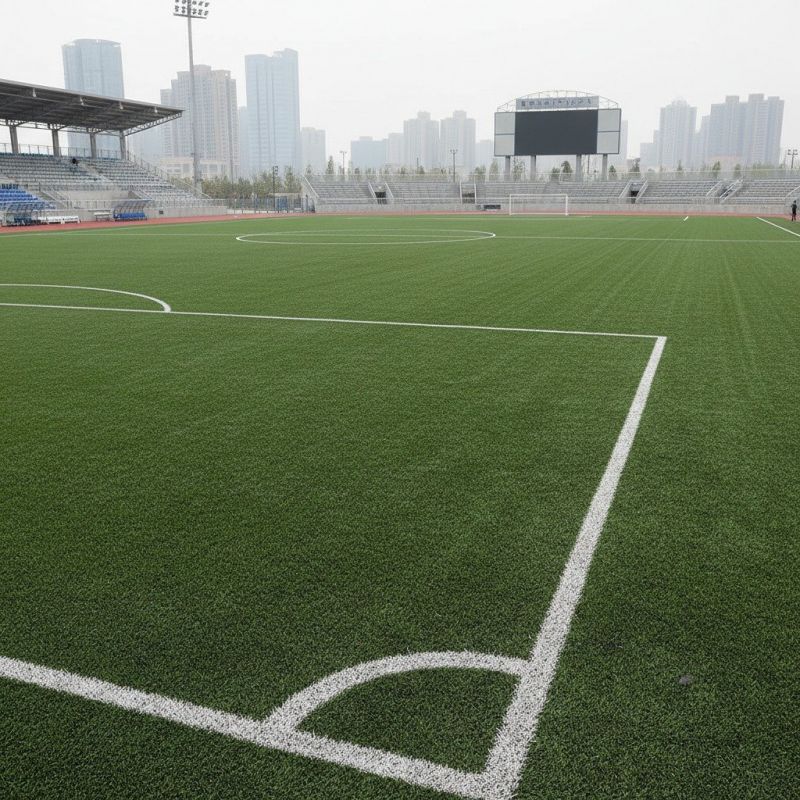
Many homeowners turn to artificial turf as a low-maintenance alternative to natural grass, but they often encounter common artificial turf problems in residential yards that can impact the appearance and usability of their outdoor spaces. These issues can include uneven surfaces, which create tripping hazards or make the yard look unkempt, as well as areas where the turf begins to lift or develop wrinkles over time. Such problems are frequently related to improper installation, poor drainage, or shifting ground, making it important for homeowners to understand how these factors contribute to the overall condition of their artificial turf.
Another frequent concern involves drainage problems, which can lead to water pooling or runoff pooling on the surface after rain or watering. Poor drainage not only affects the aesthetic appeal but can also cause the turf to lift or develop mold and mildew issues. These problems are often linked to substandard base preparation or inadequate installation techniques. Recognizing these drainage-related issues helps homeowners identify when repairs or adjustments are needed, and local artificial turf repair contractors are equipped to address these challenges effectively to restore proper water flow and prevent further damage.
Discoloration and fading are also common artificial turf problems in residential yards, especially in areas exposed to direct sunlight for extended periods. Over time, the vibrant green color can fade or develop uneven patches, diminishing the yard’s visual appeal. This fading might be caused by UV exposure, poor-quality turf materials, or inconsistent maintenance. Homeowners who notice these changes often seek professional repair or replacement services to improve the look of their yard and extend the lifespan of their artificial turf investment.
Property types that frequently encounter these issues include single-family homes with landscaped yards, multi-unit residential complexes, and properties with yards that experience heavy foot traffic or outdoor activity. These environments can accelerate wear and tear on artificial turf, making regular inspections and timely repairs essential. Local contractors specializing in artificial turf repair are familiar with the specific challenges faced by different property types and can help homeowners develop plans to address common problems, ensuring the yard remains attractive, functional, and safe for everyday use.
Landscape Design Projects - professionals skilled in landscape design often handle turf installation and repair, addressing issues like uneven surfaces and drainage problems in residential yards.
Drainage System Installations - local contractors specializing in drainage solutions can resolve water pooling and improper runoff that contribute to common artificial turf problems.
Soil Preparation and Grading - experts in soil prep ensure proper base setup for artificial turf, preventing issues like shifting or uneven wear in residential lawn areas.
Synthetic Turf Installation - experienced installers can troubleshoot and correct installation-related problems such as seams, wrinkles, or improper adhesion.
Irrigation System Repairs - specialists in irrigation repair help address drainage and water distribution issues that can impact artificial turf longevity and appearance.
Hardscaping Projects - professionals in hardscaping often work alongside turf specialists to create integrated outdoor spaces that mitigate turf problems caused by poor layout or drainage.
When evaluating service providers for artificial turf repair, it is important to consider their experience with projects similar to the specific issues faced in residential yards. Homeowners should inquire about the contractor’s background in handling common artificial turf problems, such as uneven surfaces, drainage issues, or turf wear and tear. An experienced contractor will have a track record of addressing these types of concerns effectively, which can help ensure that the repair work is performed correctly and that the turf’s appearance and functionality are restored to a satisfactory level.
Clear and detailed written expectations are essential when comparing local contractors for artificial turf repair services. Homeowners should seek proposals that outline the scope of work, materials to be used, and the steps involved in the repair process. Having this information in writing helps prevent misunderstandings and provides a basis for evaluating each contractor’s approach and professionalism. It also allows homeowners to compare how well each service provider understands the specific problems with their turf and the recommended solutions.
Reputable references and strong communication are key factors in selecting the right local contractor for artificial turf repair. Homeowners are encouraged to ask for references from previous clients who had similar issues addressed. Good communication throughout the process helps ensure that questions are answered clearly and that any concerns are addressed promptly. Service providers who demonstrate transparency, responsiveness, and a willingness to discuss the details of the repair work are often better equipped to deliver satisfactory results and foster a positive working relationship during the project.
Property owners often search for common artificial turf problems in residential yards when they are planning practical projects around their homes and businesses. Local pros provide Artificial Turf Repair services for everyday jobs and straightforward project options.
Many homeowners in the area searching for solutions to common artificial turf problems in residential yards often encounter issues like uneven surfaces, fading colors, or areas where the turf has become damaged or worn down. These problems can arise from regular foot traffic, exposure to sunlight, or improper installation, making the yard look less appealing and potentially reducing its durability. Property owners may seek out local contractors who specialize in artificial turf repair services to address these concerns and restore the yard’s appearance and functionality.
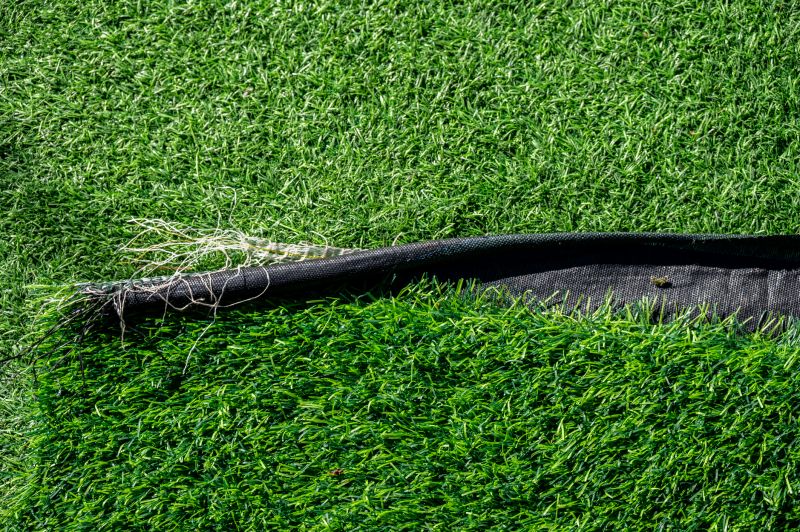
Other common concerns include drainage problems, where water pools or doesn’t drain properly through the turf, leading to soggy patches or mold growth. Over time, seams or edges might lift or fray, creating safety hazards or an unkempt look. When these issues occur, many residents look for experienced service providers in the area who can perform repairs efficiently and help extend the life of their artificial turf. Connecting with local contractors skilled in turf repair can provide practical solutions to these everyday problems.
What are common issues caused by poor drainage in artificial turf? Poor drainage can lead to water pooling, which may cause turf to lift or develop mold. Local contractors can assess drainage problems and perform repairs to improve water flow and prevent damage.
How does uneven settling affect artificial turf in residential yards? Uneven settling can create bumps or depressions, making the surface look unattractive and potentially causing tripping hazards. Experienced service providers can level the turf to restore a smooth, safe appearance.
What causes seams in artificial turf to come apart? Seams may separate due to improper installation, heavy foot traffic, or weather exposure. Local pros can repair or re-seam turf sections to maintain a seamless and durable surface.
Why does artificial turf sometimes develop bald patches? Bald patches often result from pet activity, high foot traffic, or poor infill distribution. Local contractors can identify the cause and restore the turf’s appearance through targeted repairs.
How can I address turf discoloration or fading? Discoloration may be caused by sun exposure, staining, or aging materials. Service providers can evaluate the issue and perform repairs or replacements to improve the turf’s visual appeal.
Addressing uneven surfaces - property owners can plan for leveling or regrading projects with local contractors to ensure artificial turf stays smooth and safe.
Fixing drainage issues - identifying areas with poor water runoff allows property owners to work with local pros on installing proper drainage solutions.
Repairing worn or damaged sections - recognizing areas of high foot traffic helps property owners coordinate patching or replacement with local service providers.
Managing weed and pest intrusion - understanding common pest problems enables property owners to seek targeted treatments from local pros to keep turf healthy.
If you are thinking about common artificial turf problems in residential yards for a property, this guide is meant to help you understand this topic, the typical project types, and how different options might fit your plans.
When you are ready, you can use the quote form on this page to share a few details about your project. From there, local pros can review the basics and follow up with options that match what you have in mind.